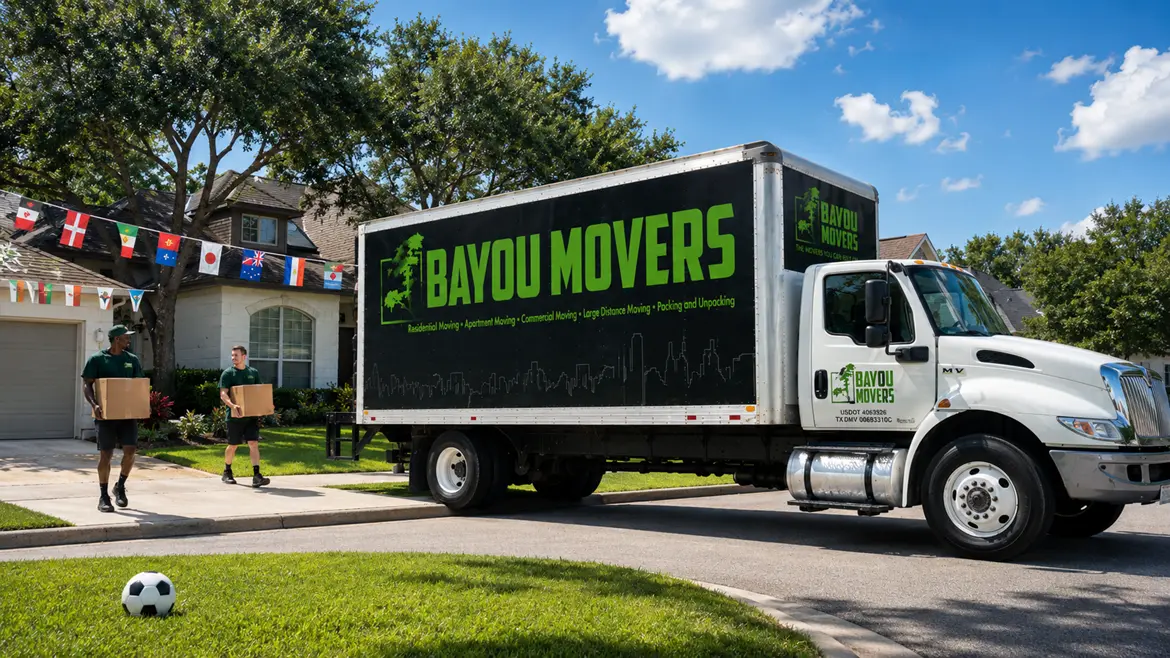
How to Pack Gym Equipment for a Move in Houston

How to pack gym equipment for a move in houston
Moving is already a lot of work. Add gym equipment to the mix, and it can feel even more stressful. If you have ever looked at a treadmill, squat rack, weight bench, or set of dumbbells and thought, “How on earth am I supposed to move this safely?” — you are not alone.
Home gym equipment is heavy, awkward, expensive, and often difficult to disassemble. One wrong move can damage the equipment, scratch your floors, dent your walls, or worse, cause an injury. That is why knowing how to pack gym equipment the right way matters so much.
Whether you are moving from an apartment in Midtown, a home in Katy, a townhouse in The Heights, or relocating your family from Sugar Land to another part of Houston, taking the right steps can save you time, money, and frustration.
In this guide, we will walk through how to pack gym equipment safely for a local or long-distance move, what supplies you need, common mistakes to avoid, and when it makes sense to call professional movers in Houston for help.
Why Packing Gym Equipment Takes Extra Care
Gym equipment is not like packing books, dishes, or clothes. Most fitness machines are built with metal frames, moving parts, tension cables, electronics, and bulky shapes that do not fit neatly into boxes. Even smaller workout items like kettlebells and dumbbells can become dangerous if they are packed carelessly.
A lot of people underestimate how difficult it is to move gym equipment until they start. A treadmill may look simple until it needs to be folded, unplugged, secured, and carried through a narrow doorway. A home gym station may seem manageable until you realize it has dozens of bolts, pulleys, cables, and detachable parts.
In Houston neighborhoods like River Oaks, Bellaire, Memorial, Cypress, Pearland, and West University, many homeowners have invested heavily in home gyms. Protecting that investment during a move should be part of the plan from the beginning.
Start With a Simple Plan Before You Pack
Before touching anything, take a few minutes to assess what you actually have. This step is easy to skip, but it makes the rest of the process much smoother.
Look through your home gym and separate your items into groups. Large machines like treadmills, ellipticals, rowing machines, cable machines, and exercise bikes should be handled differently from smaller items like yoga mats, resistance bands, foam rollers, medicine balls, and weights.
Once you know what you are moving, check whether any item needs to be disassembled. If you still have the user manual, this is a good time to pull it out. If not, many brands provide downloadable manuals online. Take photos before taking anything apart so you can remember how to reassemble it later.
This one small habit saves people a lot of stress on moving day.
Packing Supplies You Will Need
Packing gym equipment properly starts with using the right materials. You do not need anything fancy, but you do need sturdy supplies.
You will want moving blankets, bubble wrap, packing tape, stretch wrap, zip-top bags for screws and bolts, labels or markers, sturdy boxes, and towels or soft cloths for extra padding. For heavier equipment, a dolly or hand truck can make a huge difference.
If you are moving weights, make sure your boxes are small and strong. Overloading large boxes with heavy plates is a common mistake. A box that is too heavy is more likely to break, and it is much harder to carry safely.
Clean Everything Before Packing
This step may sound minor, but it matters. Wipe down all gym equipment before packing it. Remove dust, sweat, chalk, and debris from the surfaces. This helps prevent grime from getting trapped during the move and gives you a fresh start when you set up your new gym.
For treadmills, bikes, and ellipticals, clean the console, handles, and frame. For barbells, dumbbells, and benches, wipe off any sweat or dirt. Yoga mats and resistance bands should also be cleaned and dried completely before being boxed up.
Moving equipment while it is dirty only creates extra work later.
How to Pack Dumbbells, Kettlebells, and Weight Plates
Free weights may be small, but they are some of the hardest gym items to pack because they are so dense and heavy.
The best approach is to use small boxes rather than large ones. Line the bottom of each box with towels, moving paper, or bubble wrap. Place the weights inside carefully and avoid overpacking. A box that is too heavy can tear open or injure someone trying to lift it.
If you have several dumbbells or smaller weight plates, divide them across multiple boxes. Label each box clearly as heavy so movers know what to expect.
For barbells, wrap the bar in moving blankets or thick padding to protect walls, floors, and the bar itself. Secure the wrap with tape or stretch wrap so it stays in place.
How to Pack a Weight Bench
A weight bench is usually easier to move than a machine, but it still needs protection. If the bench can be disassembled, remove any detachable parts first. Keep the screws, bolts, and washers in a labeled bag and tape that bag securely to the underside of the bench or place it in a clearly marked box.
Wrap the bench pads with moving blankets or plastic wrap to protect them from tears, dirt, and moisture. Cover the metal frame as well if you want to avoid scratches during loading and unloading.
If you are moving through tighter Houston homes or apartment stairways, disassembling the bench will make things much easier.
How to Pack a Treadmill for a Move
Treadmills are one of the most challenging pieces of home gym equipment to move. They are heavy, bulky, and often include electronic components that need to be protected.
Start by unplugging the treadmill and securing the power cord. If the treadmill folds, lock it into place according to the manufacturer’s instructions. If it does not lock securely on its own, use straps to keep it from opening during the move.
Remove any detachable parts if possible. Wrap the console carefully, especially the screen and controls. Cover the arms and frame with moving blankets to prevent scratches. If the treadmill has wheels, do not rely on them for long-distance movement across rough surfaces. A dolly and at least two strong movers are usually the safer choice.
Trying to move a treadmill alone is risky. In many Houston moving situations, especially in neighborhoods with stairs, narrow hallways, or tight landings like Montrose, Midtown, or apartment communities in Uptown Houston, it is smarter to let experienced movers handle it.
How to Pack an Exercise Bike or Elliptical
Exercise bikes and ellipticals are a little easier than treadmills, but they still require care. Remove any loose or detachable parts, such as pedals, screens, water bottle holders, or arms if possible. Place all screws and hardware in labeled bags.
Wrap the display screen and delicate plastic areas with bubble wrap. Use moving blankets around the main frame to prevent dents and scratches. Secure any moving parts so they do not swing or shift during transport.
Ellipticals can be especially awkward because of their shape. Their long arms and wide base can make them difficult to maneuver through doorways, so planning ahead matters.
How to Pack a Home Gym or Cable Machine
Large home gym systems are the most time-consuming to prepare. These usually need to be partially or fully disassembled before moving. Start by taking detailed photos from different angles. This helps a lot when it is time to put everything back together.
As you remove pieces, label them. Keep bolts, nuts, washers, and pins in separate bags, and label those bags carefully. You do not want to end up guessing which hardware belongs where.
Wrap each metal part individually if possible. Cables and pulleys should be secured so they do not tangle or get damaged. Weight stacks should be stabilized before moving, and any removable pins or accessories should be packed separately.
If you are moving a full home gym in Houston, especially from larger suburban homes in areas like Richmond, Missouri City, Spring, or The Woodlands, professional movers can save you a huge amount of time and reduce the risk of damage.
How to Pack Small Workout Accessories
Smaller gym accessories are easier to pack, but they still deserve some organization. Resistance bands, jump ropes, lifting straps, gloves, and yoga accessories can all go into labeled boxes or bins. Foam rollers and mats can be rolled and tied neatly.
Medicine balls should be packed in sturdy containers that will not split under weight. Water bottles, speakers, towels, and small accessories can be boxed together, but try to keep your gym-related items grouped so unpacking is easier later.
When you arrive at your new home, you will appreciate having everything in one place.
Protect Your Floors, Walls, and Doorways During the Move
A lot of damage during gym equipment moving does not happen to the equipment itself. It happens to the home.
Heavy fitness equipment can scratch hardwood floors, chip paint, dent drywall, and damage stair railings if it is moved carelessly. This is a big concern in many Houston homes, especially in upscale neighborhoods where finishes are more delicate and repair costs can add up quickly.
Use floor protection where needed. Wrap sharp edges. Measure your doorways and hallways before moving day. If something barely fits, do not force it. A little patience can prevent a lot of costly damage.
Mistakes People Make When Packing Gym Equipment
One of the biggest mistakes people make is waiting until moving day to deal with the gym. By then, there is already enough going on. Packing gym equipment should happen ahead of time, not in the middle of loading boxes and furniture.
Another common mistake is leaving loose parts unorganized. Missing hardware can turn reassembly into a frustrating mess. People also tend to overload boxes with weights, skip cleaning, or try to move heavy machines without enough help.
And of course, many people underestimate just how heavy and awkward these items really are.
That is often when injuries happen.
Should You Move Gym Equipment Yourself or Hire Houston Movers?
That depends on the type of equipment you have, the layout of your home, and how comfortable you are handling heavy items.
If you only have a few dumbbells, yoga mats, and resistance bands, packing them yourself is usually manageable. But if you are moving a treadmill, elliptical, squat rack, rowing machine, or full home gym, hiring professional movers can be the safer option.
A professional moving company in Houston will usually know how to handle heavy, bulky, and high-value items. That includes navigating stairs, loading equipment securely, and helping reduce the risk of injury or damage.
For families and homeowners in Houston, Katy, Sugar Land, Pearland, Bellaire, Memorial, The Heights, and surrounding neighborhoods, having professional movers handle gym equipment can make the whole move feel far less overwhelming.
Tips for Setting Up Your Gym After the Move
Once you arrive at your new place, do not rush the setup. Start by checking that all equipment arrived safely and that all hardware is accounted for. Reassemble one major item at a time. Refer back to the photos you took before disassembly.
Wipe everything down again before placing it in your new workout space. Make sure the flooring is suitable and that larger machines are positioned with enough room around them for safe use.
This is also a good time to rethink your gym layout. Sometimes a move gives you the chance to organize your workout space even better than before.
Moving Gym Equipment in Houston? Plan Ahead
Houston moves come with their own challenges. The heat, humidity, traffic, apartment access, and neighborhood layouts can all make moving day more complicated. Packing gym equipment ahead of time helps reduce that stress and makes everything more manageable.
Whether you are moving across Houston or heading from one neighborhood to another, taking the time to prepare your gym equipment properly can protect your investment and make your move smoother from start to finish.
If you are dealing with heavy fitness machines, tight spaces, or multiple large items, getting help from experienced Houston movers can save you from a lot of hassle.
Final Thoughts
Packing gym equipment is not the easiest part of moving, but it does not have to be a nightmare either. With the right supplies, a little planning, and careful handling, you can move everything from dumbbells to treadmills without unnecessary damage or stress.
The key is to go step by step. Clean the equipment, disassemble what you can, protect the fragile parts, label everything clearly, and do not try to carry more than you can handle safely.
If you are preparing for a move in Houston and need help with heavy or bulky items, working with a trusted moving company can make all the difference.
Your home gym took time and money to build. Moving it carefully is worth it.
Get a Quote
WHY CHOOSE US
Expertise and Experience
Our professionals have a vast knowledge of the moving industry. We bring our expertise to every job to ensure that your important and valuable belongings stay safe till the end.
Stress-Free Experience
We make your move as stress-free. From packing your items to unpacking them, we handle every aspect, allowing you to focus on other essential elements of your movement.
Efficient and Timely Service
Our team works efficiently and diligently to ensure, within the agreed-upon timeframe, the completion of your packing and unpacking, minimizing disruption to your schedule.
Recent Posts
- July 14, 2026
- May 08, 2026
- March 16, 2026
- January 07, 2026
- January 07, 2026